Last Updated on April 21, 2026
From an offline store to a scalable eCommerce store with improved unit economics and early retention signals
The Problem
A traditional sweets brand wanted to explore online sales—but had no prior eCommerce infrastructure, data, or demand validation.
The sweet brand was starting from scratch:
- No website or conversion funnel
- No product positioning for online buyers
- No historical data for paid acquisition
- No visibility into delivery performance or returns
This meant growth was limited to offline channels, with no predictable way to scale demand or revenue online.
Service Focus
- Performance Marketing
- Shopify Store Development
The Strategy
We approached this as a full-stack eCommerce build + validation exercise, combining conversion optimization, rapid demand testing, and operational improvements.
1. Building a Conversion-Ready Store
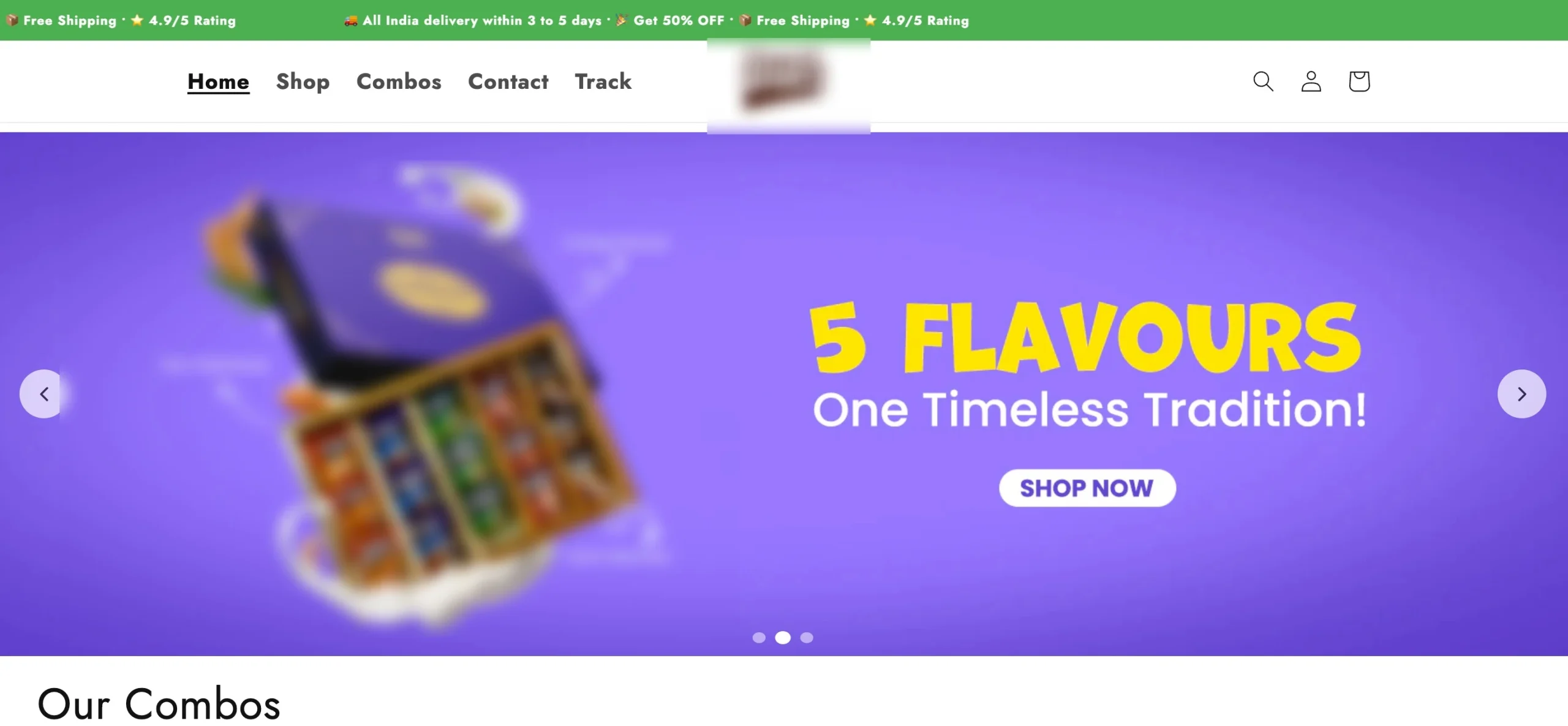
We launched a Shopify store designed specifically for mobile-first purchasing behavior:
- Streamlined navigation for easy product discovery
- Optimized checkout flow to reduce friction
- Structured collections to guide buying decisions
2. Increasing Order Value Through Smart Merchandising
To improve early unit economics, we focused on maximizing revenue per customer:
- Introduced bundle and combo products
- Designed custom product visuals to build trust
- Wrote conversion-focused descriptions aligned with buying triggers
- Insight: Bundles were introduced to offset early customer acquisition costs and improve overall profitability per order.
3. Rapid Demand Validation via Performance Marketing
With no historical data, speed of learning was critical.
We launched paid campaigns focused on fast iteration and signal gathering:
- Tested static creatives for clarity and offers
- Tested video creatives for engagement and storytelling
- Continuously iterated to identify high-performing combinations
- Insight: Meta was prioritized to enable rapid demand validation and high creative testing velocity in the early stage.
4. Fulfillment Optimization (Key Profitability Lever)
As order volume began to scale, returns emerged as a major constraint on profitability.
| Before | After |
|---|---|
| Initial logistics setup led to high return rates | Significantly improved delivery success rates |
| Delivery success was inconsistent | Reduced return-driven losses |
| Unit economics were under pressure | Strengthened overall customer experience |
| Intervention | |
| |
The Results
Before Blusteak vs After Blusteak Launched eCommerce Store with
Before
- No online sales channel
- No structured acquisition system
- No visibility into retention
- Inefficient fulfillment setup
After
Fully functional, conversion-driven eCommerce store
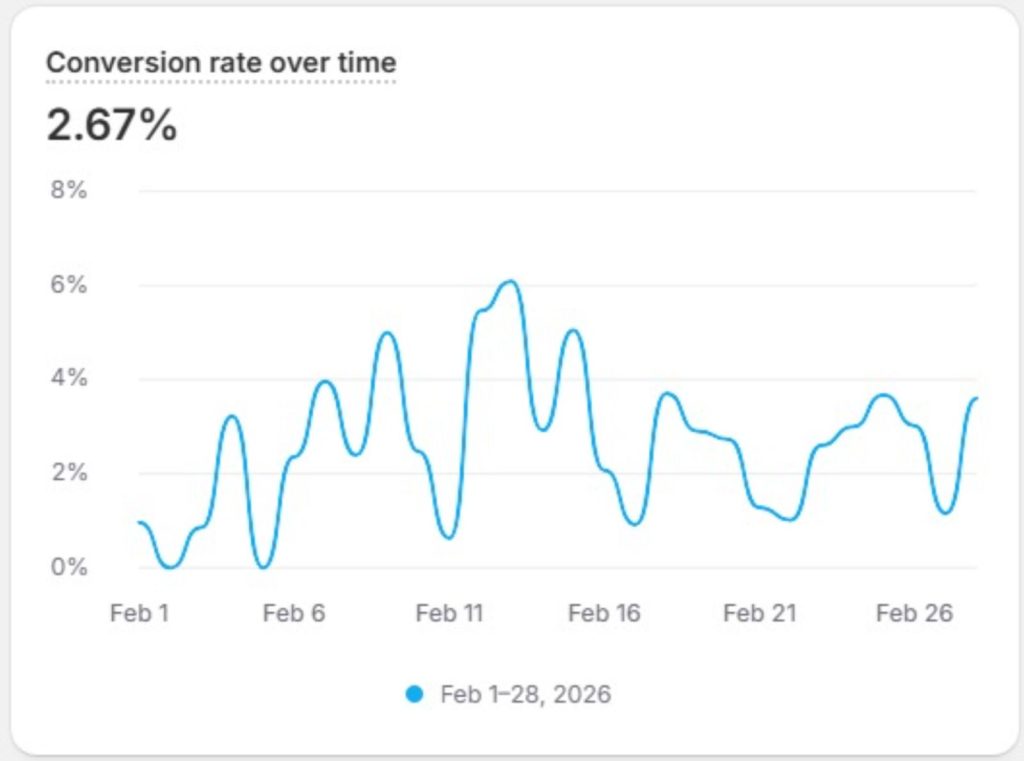
2.67% Conversion rate of the e-commerce store set up by Blusteak
Scaled from zero to consistent daily order volume during peak cycles
Achieved positive early-stage ROAS with improving efficiency across iterations
Increased average order value through bundling strategy
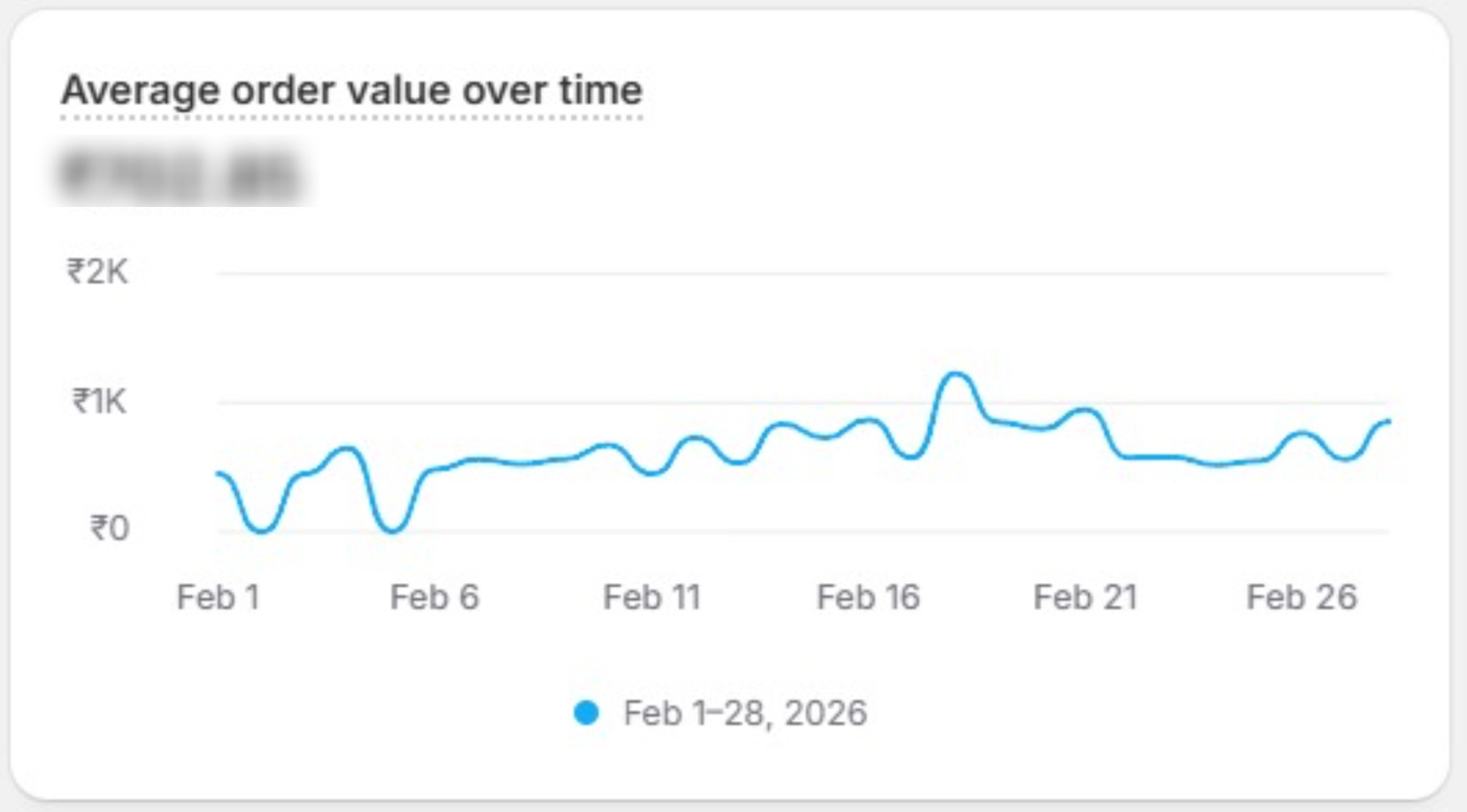
Reduced return rates through logistics optimization (from 50% to 11%)
Established visibility into retention via cohort tracking